
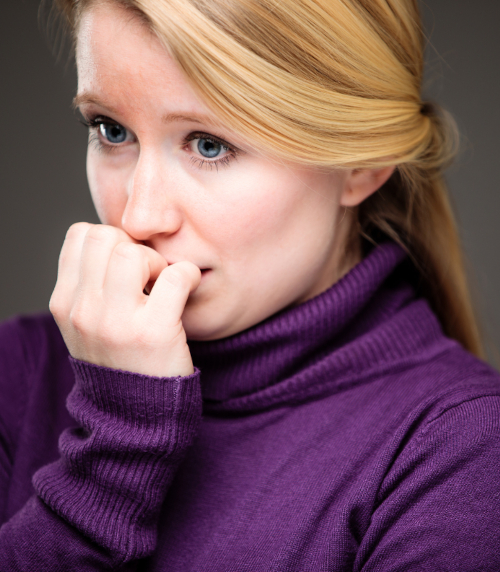
We do not necessarily aim to eliminate anxiety, but we can think about ways of reducing its intensity and we can learn how to respond when anxiety arises. Here are some suggestions to keep in mind:
In the moment (when anxiety hits)
These are for calming your nervous system right now.
Slow your breathing
-
Try 4–6 breathing: inhale 4 seconds, exhale 6 seconds, repeat for 1–2 minutes
-
Longer exhales tell your brain “we’re safe”
Ground yourself
Bring attention back to the present, name:
-
5 things you see
-
4 things you feel
-
3 things you hear
-
2 things you smell
-
1 thing you taste
Relax your body
-
Drop your shoulders
-
Unclench your jaw
-
Press your feet into the floor
How you think about anxiety matters
Don’t fight it
Paradoxical but true: resisting anxiety often makes it louder.
-
Try: “Okay, anxiety is here. I don’t like it, but I can handle it.”
Question anxious thoughts
Ask yourself:
-
Is this a fact or a fear?
-
What’s the most likely outcome (not the worst)?
Daily habits that lower anxiety overall
Move your body: Walking, stretching, dancing, yoga—anything. Movement can help manage stress.
Sleep: Take steps prior to bedtime to ensure your sleep is restful and ideally 6-8 hours
Limit avoidance: Avoiding things teaches your brain they’re dangerous. Gentle, gradual exposure builds confidence.
Emotional support
Talk it out
Anxiety thrives in isolation.
-
Family and Friends
-
Journaling
-
A therapist
- Support Groups
Self-Compassion
You’re not weak, broken, or “overreacting.”
Psychotherapy can be beneficial for exploring how symptoms of anxiety are affecting you and teaching strategies that may assist with reducing its disruptive effects in your life.